

Launched in 2011, Twitch.tv capitalised on the increased viewer interest in videogame commentary channels on YouTube; an increase described as ‘stratospheric’ [1: 11]. Gaming content creators such as ‘PewDiePie’ displayed unprecedented popularity [2] and the channel ‘Game Grumps’ pioneered the trend of ‘Let’s plays’ found in 2012 [3]. Distinct from ‘Long Plays’ which provide ‘nothing but the complete gameplay itself’ [4: 237], ‘Let’s Plays’ emphasise an external narrative provided through the commentary of the content creator. This narration ‘tells the story of the player rather than that of the game’ [4: 236] which contributed to the continued success of Twitch.tv.
Continue reading “Playing vs Watching: Assessing Interactivity on Twitch.tv”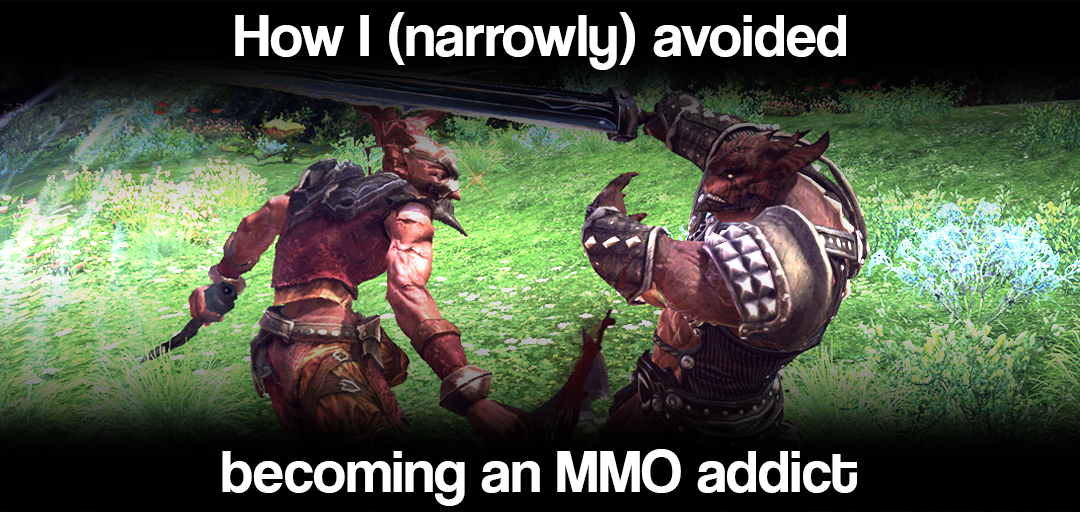
How I (narrowly) avoided becoming an MMO addict
During my teenage years, I displayed symptoms of addiction in my relationship with a video game’s virtual world. [1] Time spent away from the virtual world resulted in anxiety rooted in a fear of missing out which would turn to irritability and a compulsive desire to return. Fearing that my career prospects, social opportunities and academic performance would plummet as a result of this unhealthy relationship, I made a change:
Continue reading “How I (narrowly) avoided becoming an MMO addict”
Animal Crossing (2002)’s ludic structures allowed for unparalleled player freedom.
Dōbutsu no Mori (Nintendo, 2001)’s development aimed to produce a video game that enforced elements of ludus rooted in the player’s real-time – while allowing for paidea by limiting its dictated narrative. Despite going against the ‘triple A’ goal-oriented formula, the game became the Nintendo 64’s 28th best-selling game – spurring an enhanced port the following year, Dōbutsu no Mori+ (2002). This port was released on the Nintendo Gamecube which became the source of the western localised release: Animal Crossing (2002).
Continue reading “Animal Crossing (2002)’s ludic structures allowed for unparalleled player freedom.” Critical Hit